Twenty-Fourth Sunday
in Ordinary Time
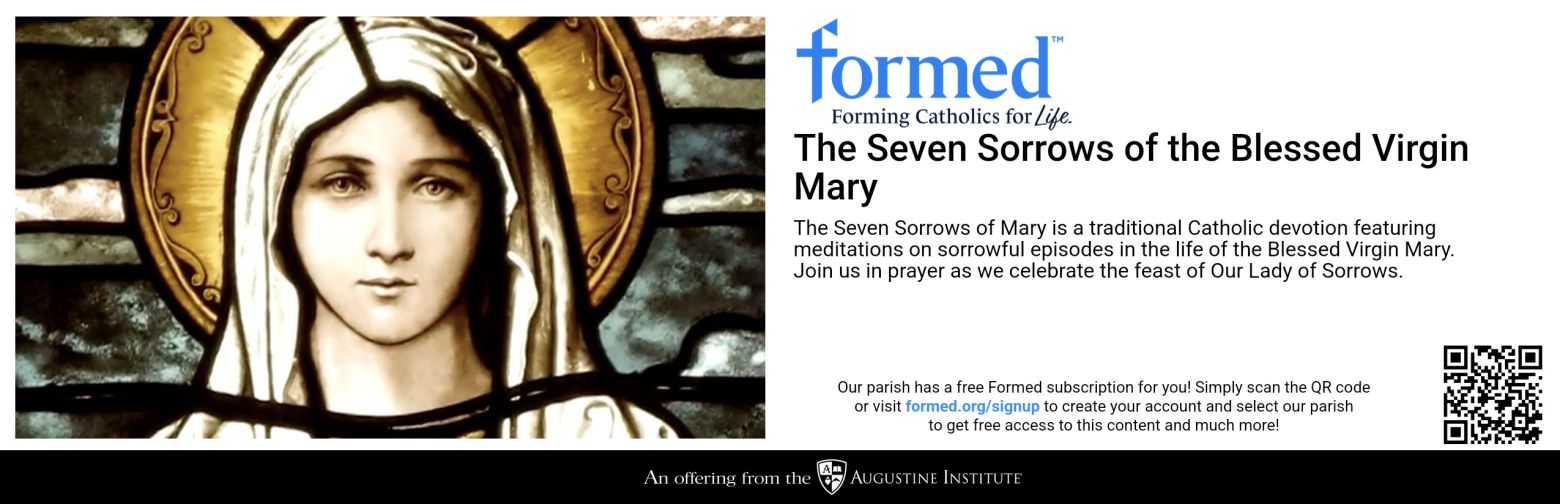
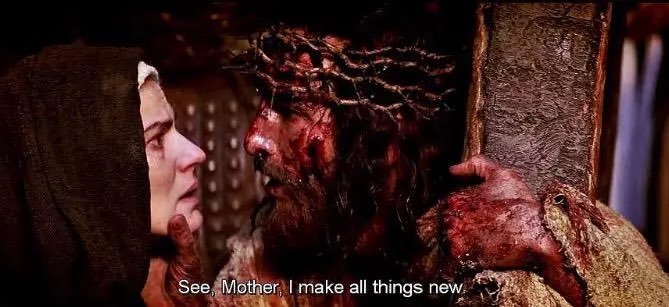
The month of September is dedicated to the Seven Sorrows of the Blessed Virgin Mary

September 7th 2026 on the Inuvik Tuktoyaktuk Highway in Canada
Dear Friends in Christ,
On May 23rd, 1900, Hans Frank was born. Frank would go on to join the Nazi party and be appointed Governor General of Poland during the Nazi occupation. One of his first operations was aimed at destroying Polish intellectual life. He oversaw the segregation of the Jews into ghettos and would oversee the murder of 2 million people in the concentration camps of Poland and as well as the incredible oppression meted out to the Polish people by the Nazi occupiers.
One of the more famous moments of his career was the time when he was invited to dinner by Cardinal Sapieha, who had him to supper to discuss the plight of the Poles. And Governor Frank, of course, understanding this to be a state dinner, was expecting a full meal, but Cardinal Sapieha served Frank and himself black bread, marmalade and water, saying “This is what my people are eating, so this is what we will have tonight.”
After the war, Hans Frank was tried and hanged by the Nuremburg Courts.
Now here’s the thing: The basic facts we know about Frank are that he was the Governor General of Poland; he oversaw the destruction of millions of human lives in one of the most horrific and dehumanizing abattoirs ever conceived by the mind of man. His crimes equal those of any of the great criminals of history.
But there’s also this: after the war, Frank said that a thousand years would pass and the guilt of Germany would not be erased. And then he sought baptism in the Catholic Church and received it before being hanged. One journalist wrote of his execution, “Hans Frank was next in the parade of death. He was the only one of the condemned to enter the chamber with a smile on his countenance. Although nervous and swallowing frequently, this man, who was converted to Roman Catholicism after his arrest, gave the appearance of being relieved at the prospect of atoning for his evil deeds.”
He answered to his name quietly and when asked for any last statement, he replied “I am thankful for the kind treatment during my captivity and I ask God to accept me with mercy.”
Our faith tells us, with the same dogmatic insistence that it says Christ rose from the dead, that that man’s sins were forgiven and he, presuming he committed no impenitent mortal sins after his baptism, now enjoys the eternal ecstasy of the beatific vision. Or will, once he is through with purgatory. Think about that very hard. That should shock you. It might even offend you. But that is the radical nature of the mercy God proposes to us.
For those who have not yet received mercy, we are to desire such salvation for them as badly as Christ did for Hans Frank. We are indeed to pity them if they will not receive it. For their victims merely receive death – they shall, if they do not repent, receive the everlasting fires of hell and the horror of the loss of God for all eternity.
No one should lose heart on finding that he is full of shortcomings: recognizing ourselves to be sinners is the only proper way to approach God. Jesus has come to seek us all out, but if we think we are already just fine, we thereby close the door against God, for we are all sinners, and all of us stand in need of God.
Fr. Justin
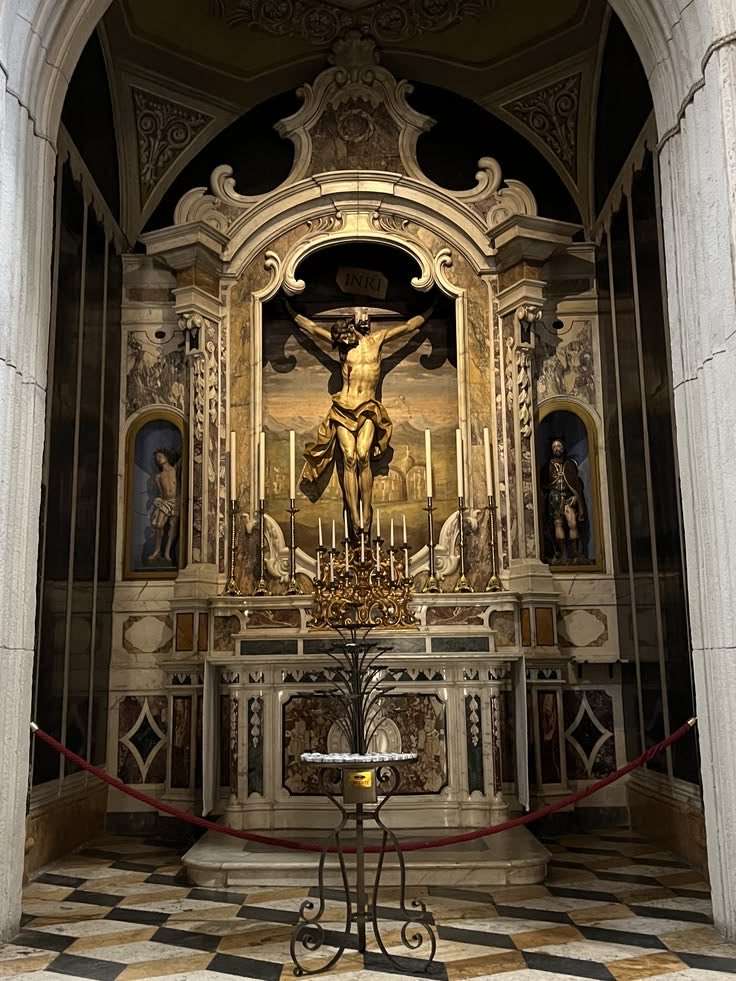
PS - Mon, Sept 14 is the Feast of the Exaltation of the Holy Cross, a beautiful celebration of our redemption. The Empress Helena discovered the true Cross in Jerusalem in 320, and this inspired her son the Emperor Constantine to build the great Basilica of the Holy Sepulchre. The church was dedicated in 335, and this feast has been in the liturgical calendar since then. All are encouraged to attend the SHJ 7pm Mass (there's no 9am Mass this Monday), and we're privileged to have a relic of the True Cross and will have a chance to venerate it after Mass. But if you can’t make it to Mass that evening, at least pause during the day and give thanks for our salvation with this acclamation: We adore you, O Christ, and we praise you, because by your Holy Cross you have redeemed the world!
Sacred Heart of Jesus
Weekly Schedule

24th Sunday in OT
Sat, Sept 12 @ 5pmJoe Maloney †
[req. Beverly Maloney]
24th Sunday in OT
Sun, Sept 13 @ 11amPro Populo
Lectors
5pm: Dale Clemens
11am: Colleen Shannon
The Exaltation of the Holy Cross (F)
Mon, Sept 14 @ 7pm*
Deceased Bishops & Priests of the Archdiocese †[req. Fr. Brian Price]
*note the time change!
*veneration of the True Cross after Mass
Our Lady of Sorrows (M)
Tues, Sept 15 @ 9amIntentions of Mark & Yvonne Leahy
[req. Family]
Tues, Sept 15 @ 2pm
Pastoral Care Visit
Caressant Care, Marmora
Pastoral Care Visit
Caressant Care, Marmora
St. Cornelius, Pope & St. Cyprian, Bishop,
Martyrs (M)
Wed, Sept 16 @ 9amJoseph Cormier †
[req. Christine Bryant]
Wed, Sept 16 @ 9:30-10:30am
** Holy Hour! **
Sacred Heart of Mary
Weekly Schedule

24th Sunday in OT
Sun, Sept 13 @ 9am
Joan Campbell †
[req. Marva Murphy]
Lector: Maureen Cassidy
Greeters: Cathy Mouck & Anne Barry

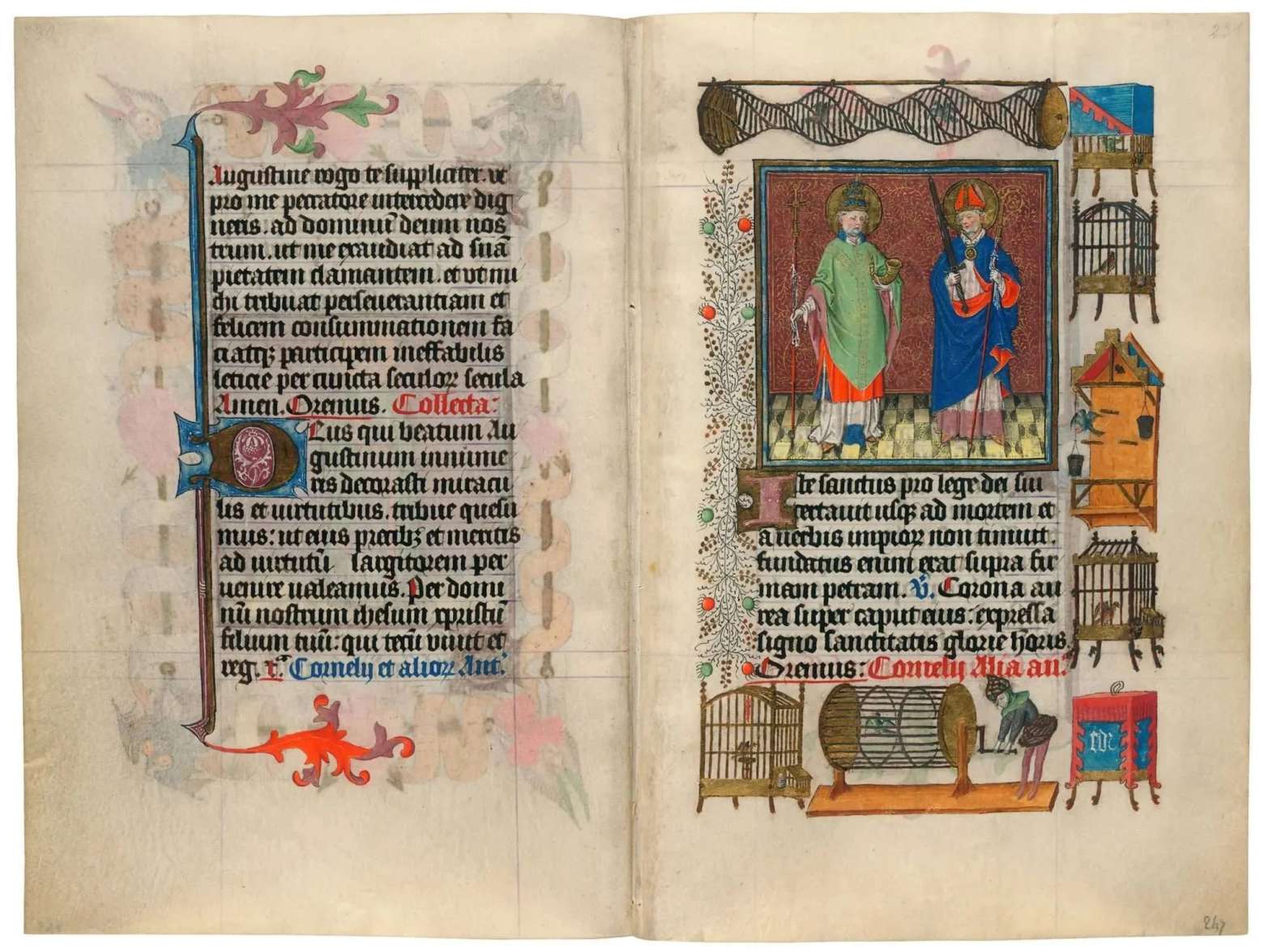
"Saints Cornelius and Cyprian"
Page from the Book of Hours of Catherine of Cleves
(The Master of Catherine of Cleves, 1440)
St. Cornelius, Pope & St. Cyprian, Bishop,
Martyrs (M)
Wed, Sept 16 @ 9am
Living & Deceased Members of the CWL
[req. SHM CWL]
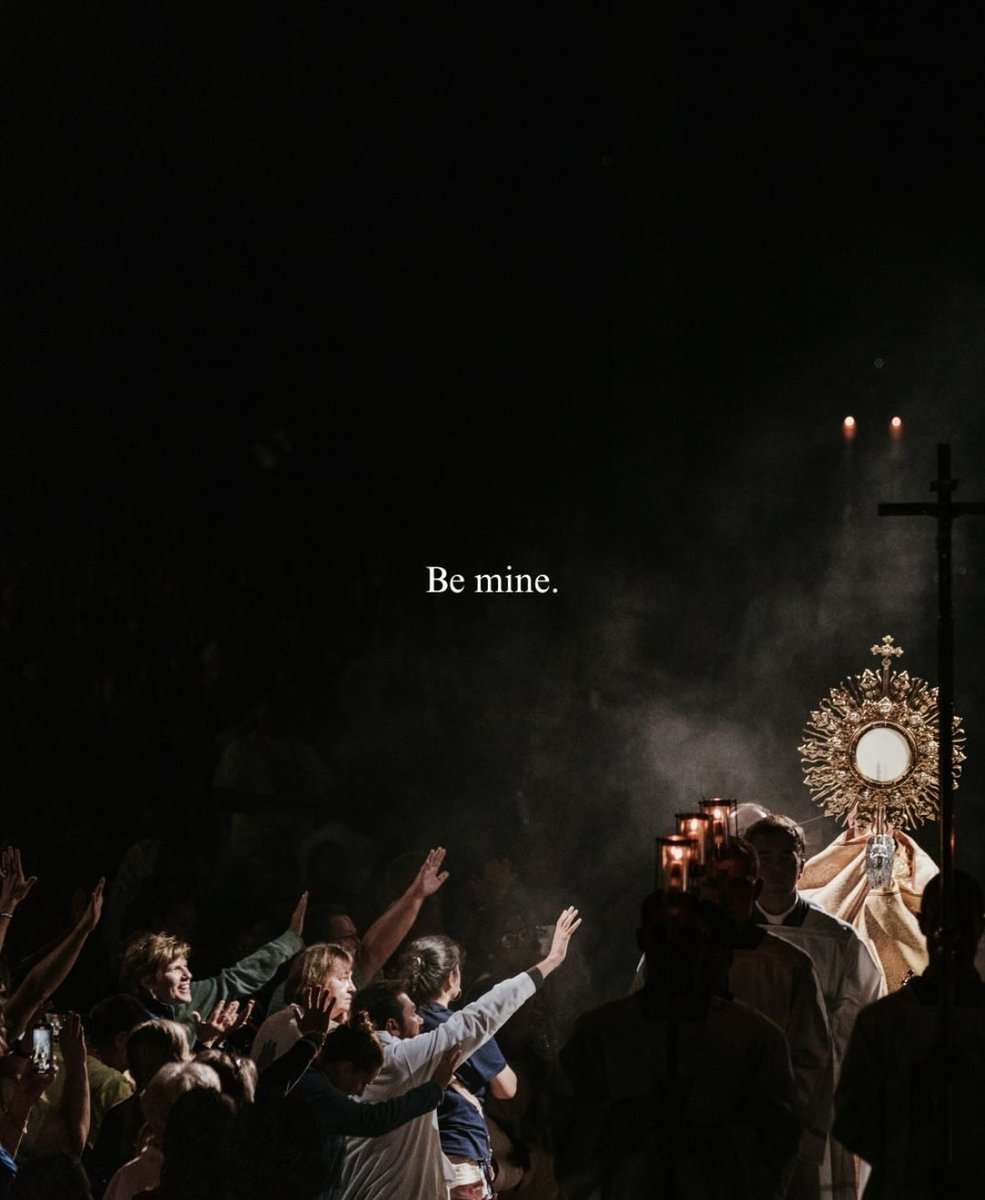
Wed, Sept 16 @ 9:30-10:30am
** Holy Hour! **
** Holy Hour! **
Wed, Sept 16 @ 5pm
Combined SHM & SHJ Choir Pracice
Thur, Sept 17 @ 7pm*
Sacred Heart of Jesus, Marmora
Healing Mass for the Sick
with the Sacrament of the Anointing of the Sick
(in the presence of a first-class relic of St. Peregrine)
Confessions from 5:45-6:45pm
*note the time change!
Sacred Heart of Jesus
Weekly Schedule
Fri, Sept 18 @ 9am
Frank & Nita Napadek †
[req. Judy Napadek]
Fri, Sept 18 @ 9:30-10:30am
** Holy Hour! **
Frank & Nita Napadek †
[req. Judy Napadek]
Fri, Sept 18 @ 9:30-10:30am
** Holy Hour! **
Sacred Heart of Mary
Weekly Schedule
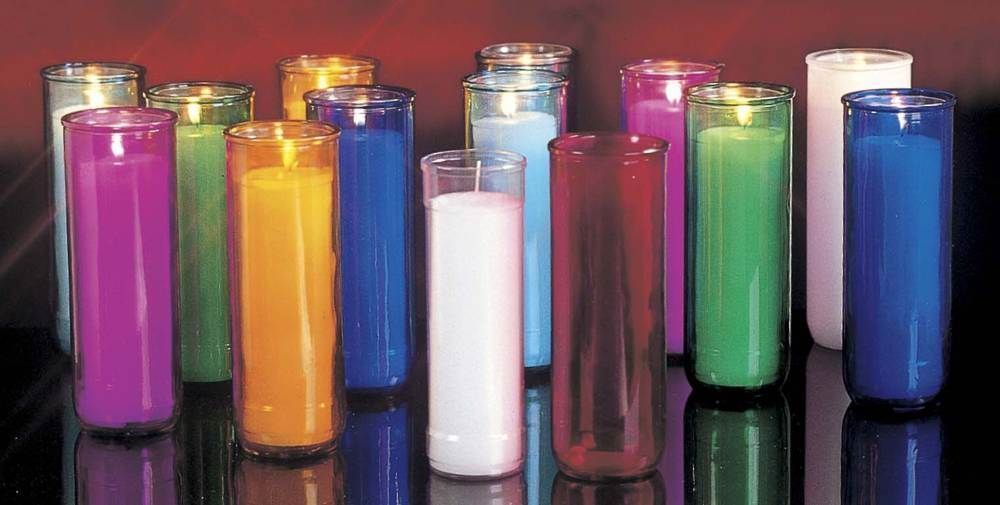
7-Day Votive Candle Offerings
SHJ CHURCH
OUR BLESSED MOTHER
Healing after surgery
[req. Anne Marie McGregor]
SACRED HEART OF JESUS
The health & safety of staff & students
of SHJ School
[req. Anne Marie McGregor]
ST. JOSEPH
A special intention
[req. Anne Marie McGregor]
ST. ANNE & OUR LADY
A special intention
[req. Anne Marie McGregor]
SHM CHURCH
SACRED HEART OF JESUS
For the Holy Souls in Purgatory †
[req. Larry & Cathy Massey]
OUR BLESSED MOTHER
For increased Vocations
[req. Larry & Cathy Massey]
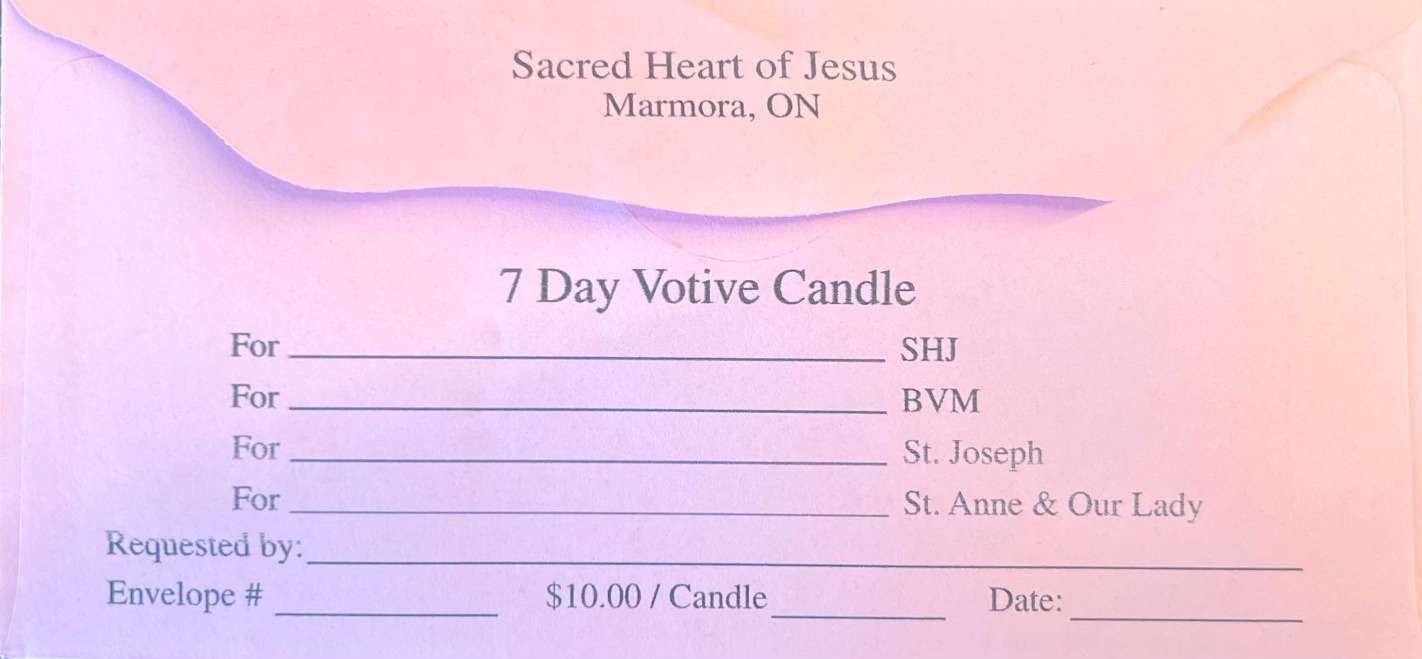
You can put your $10 7-Day Votive Offering in the filled-in pink envelope.
Any questions? Contact the parish office @ 613.472.2220 or sacredheart.mm@archkingston.ca
Links, Random Thoughts & Recommendations
This Thursday (Sept 27) at 7pm at SHJ, we will offer a Healing Mass for the Sick in the presence of a first-class relic of St. Peregrine, who is the patron Saint of those suffering with, recovering from or have died of cancer. (This will replace the 9am Mass).
You don’t have to be physically sick to attend; everyone is welcome, especially those caregivers who are in need of prayer and God’s comfort. Let us surround the sick and the suffering of our parish with our most fervent prayers.
The Sacrament of the Anointing of the Sick is the most misunderstood, underappreciated and neglected of the seven Sacraments. Many even practising Catholics know little about it, and the little that they do know is often second-hand and erroneous. Very few Catholics, therefore, are prepared to receive it. Essentially, the Anointing of the Sick is a proclamation and application to the dying of Christ’s victory over death. So here's a bit of a primer on this wonderful source of grace. The Sacrament is meant to be administered to those who are in danger of death due to illness or old age. This means that the Sacrament does not need to be delayed until the person is about to take the last breath, because its first effect is to consecrate the person to God in suffering, so that the person may more efficaciously offer his or her weakness, pains and eventual death to God in union with Christ’s redemption.
But it also means that it is not meant to be administered to those who are not in danger of death due to sickness or senescence. It’s not meant for those who are sick or injured but in no way in danger of death, like those getting their tonsils out, or having arthroscopic surgery, or just feeling under the weather, or anyone over a certain age. In fact, not everyone in a hospital or nursing home needs anointing, because not all are in danger of death. Certainly not everyone in a parish at a healing Mass is in danger of death. Neither is it intended for those who have a cold or a flu, who are “feeling off emotionally,” or who are experiencing an external threat to life such as war, natural disaster, crashing planes, sinking ships, or even the death penalty. It’s meant, exclusively, to be given to those who are in danger of dying because of the internal conditions of life-threatening malady or old age. So, for example, it is proper to be given to those going in for open heart surgery, but not for arthroscopic surgery or a root canal.
Another important clarification is that while miracles of physical healing have occasionally been associated with reception of the Sacrament, the purpose of the Sacrament is as a remedy to the primary illness every human being suffers from, namely, sin and its effects, as the spiritual antidote to the bodily remnants of sin that remain in each human being. Christ didn’t establish the Sacrament so as to deprive those facing death from having to die but so that they can die in union with him without being overcome in their weakened state by the bodily vulnerabilities and temptations that sinning can make us susceptible to.
So if the primary expectation of the sick and their loved ones is for the avoidance of death by obtaining a miraculous cure, then they are fixed on a false hope that is not consistent with the message of the Gospel. If a miraculous cure does not happen, it is not because the sacrament somehow lacks power or efficacy, but because the ‘greater’ miracle is the healing from the effects of sin so that we can die in union with Christ and enter into eternal glory. And this truth should be a consolation, not a disappointment because the Christian faith offers the sick and dying much more than mere optimism that God might give a miracle. After all, the purpose of the Sacrament, as indicated by the words of St. James that priest echoes during the anointing, is that “the prayer of faith will save the sick person, and the Lord will raise him up.” All this to say that the Sacrament of the Anointing of the Sick is meant to be a sign of definitive conversion to the Lord, of total acceptance of suffering and death as a penance for sins, and of hope for the supreme reconciliation with the Father.
And so after the Prayers of the Faithful, Fr. Price and I will offer for those members of the faithful who truly need it, the Sacrament of the Sick. Following behind us will be Fr. Bill Maloney, who will also lay hands on those (with the relic of St. Peregrine) who want prayers for their health, but not the sacrament per se. Please spread the word and in particularly invite anyone you know with cancer, recovering from it or in remission regardless of denomination to attend and receive this powerful blessing.
Also, if you plan on receiving the Anointing of the Sick, this sacrament should if possible be received in the state of grace. If a person is incapacitated, the sacrament of Anointing also forgives sins, but if a person is capable of confessing he should confess properly and receive absolution before being anointed. So confessions will be heard on Thursday from 5:45-6:45pm.
- Visits in the Hospital: If you or a family member are in the hospital and would like a visit for Communion or by the priest, it is important that you call the church office and let us know. The hospital does NOT share information with our churches about parishioners in the hospital. The only way we know that someone is in the hospital is if the individual or the family inform us. This is especially important for Anointing of the Sick.
- The Needs of the Church in Canada will be held on September 27. This annual charitable initiative assists the Bishops in their ministry of accompanying, teaching, guiding, sanctifying and caring for the Church in Canada.
- Fr. Price and I will head back to the former parish of St. Francis Xavier after Sunday Mass to join in their 200th anniversary festivities. It will be nice to see former parishioners and friends.
- Fr. Price will be doing another Latin Mass (TLM) at Our Lady of Mount Carmel in Hastings next Sunday, Sept 20th @ 1pm.
- "Friends, it was a delight to sit down with @TheoVon for an episode of “This Past Weekend.” We had a wide-ranging discussion about the Catholic faith in today’s culture, finding purpose in an increasingly artificial world, and the connection between faith and love. I invite you to watch our conversation below" ~ Bishop Robert Barron
We will hear in the First Reading this Sunday, “Anger and wrath, these are abominations, yet a sinner holds on to them.” But even if we accept and understand this truth, how can we escape the trap of selfish contempt for others? Sirach tells us: “Forgive your neighbour the wrong that is done, and then your sins will be pardoned when you pray.” “Does anyone harbour anger against another, and expect healing from the Lord?”
These words were written in the Book of Sirach about 200 years before the birth of the Lord Jesus, and the man who wrote them was himself named, “Jesus” – or better, Yeshua. Yeshua lived in Jerusalem and devoted his life to the study of Torah and the worship of God in the Temple. His father’s name was “Sirach”, so he was known as Yeshua Ben Sirach. The earliest known title of his work is “The Wisdom of the Son of Sirach”, but that got shortened to the “Book of Sirach”. So Yeshua wrote the text, but his father’s name got attached to it.
From Christian antiquity this text was also called the “Liber Ecclesiasticus” or “Church Book” because it was used so extensively in the teaching and worship of the Christian Church. Sirach was written in Hebrew, and then translated into Greek by the author’s grandson, who also added a prologue. But then the Hebrew original was lost until the late 19th century, and the Greek translation was then added to the Bible.
But the Book of Sirach is one of the seven texts not included by Protestants in their Canon (or official list) of Holy Scripture, in part because of the Hebrew original and Greek translation, even though the Catholic Church has always acknowledged Sirach as divinely inspired and belonging to the Holy Scriptures of the Old Testament.
Sirach is a longish text, running to about 45 pages in most Bibles; but it is very well worth the time needed to read and ponder all of this beautiful meditation on the search for wisdom, on friendship, on money and family life, on the worship of God, on education, and the mystery of death. The Book of Sirach stands in the wisdom tradition of the Old Testament, and explores in many ways one simple question: What is a good human life?
Whoa...who would have thought?
Some encouraging signs in la belle province
Good to keep in mind.
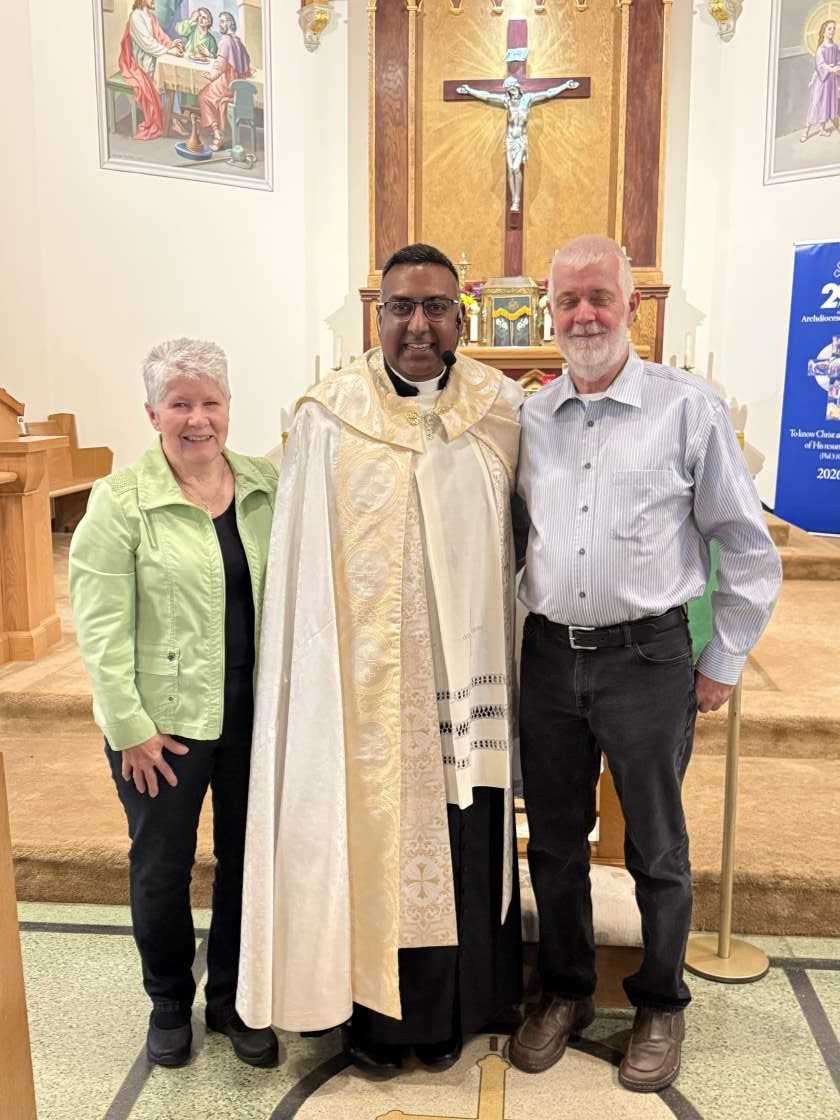
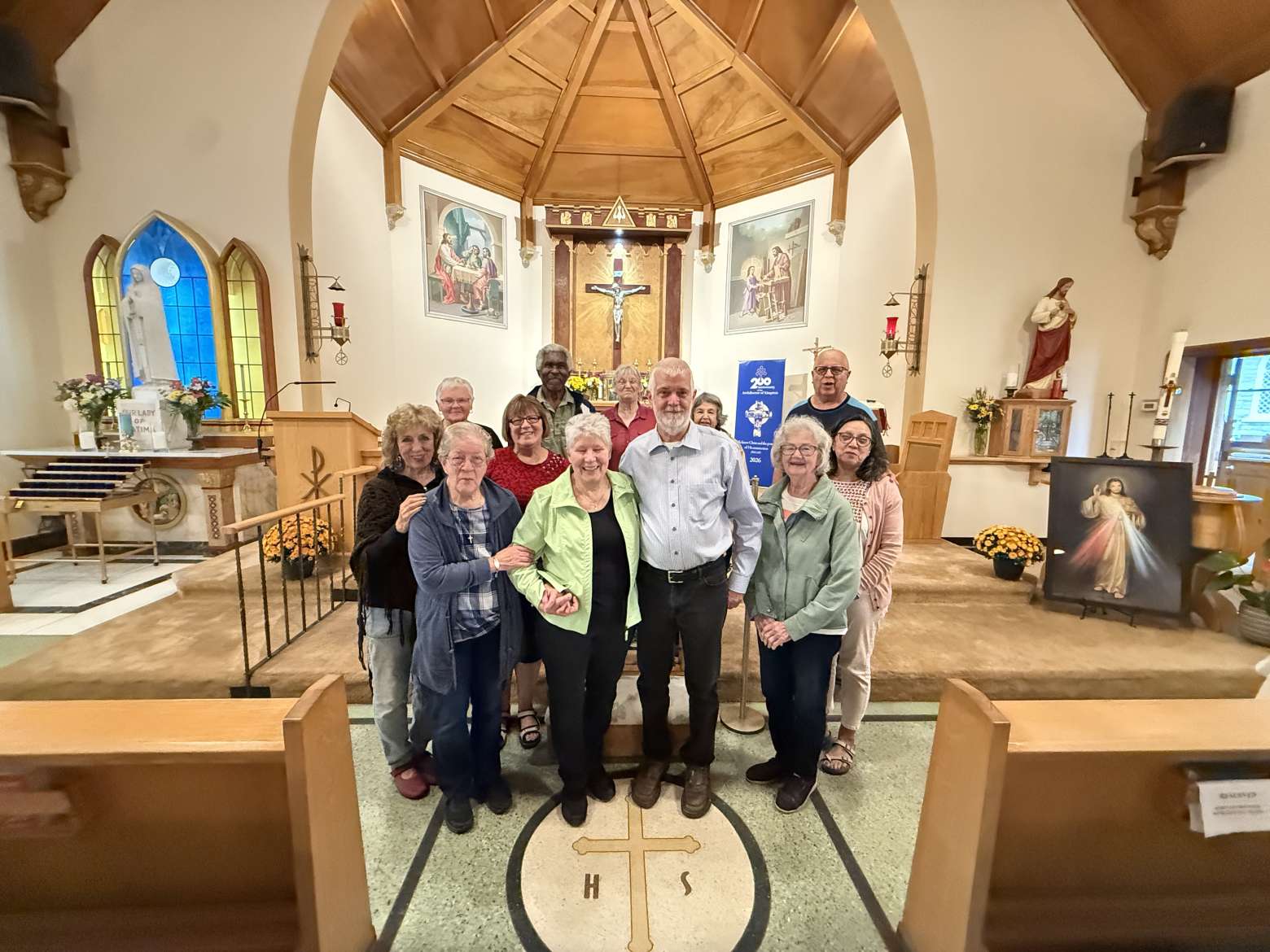
Congratulations to Paul Francis for being receiving in full communion with the Catholic Church this past Wednesday! Paul made the profession of faith ("I , and then received the Sacrament of Confirmation (taking St. Augustine as his patron) and First Holy Communion. A great joy!
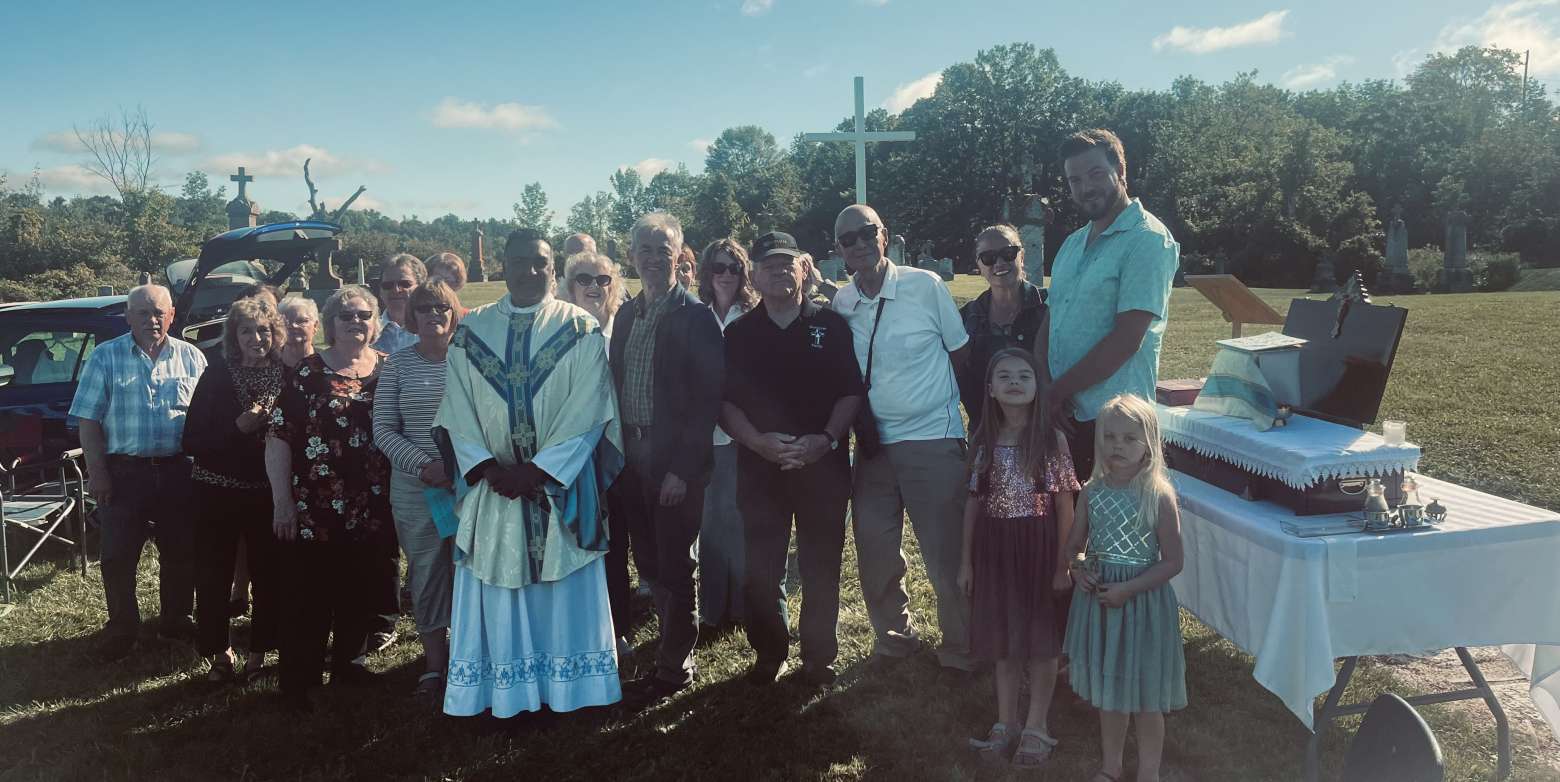
We had a First Saturday Mass for our beloved dead last Saturday at the Old SHM cemetery. A beautiful morning. Great to see many people out for it.

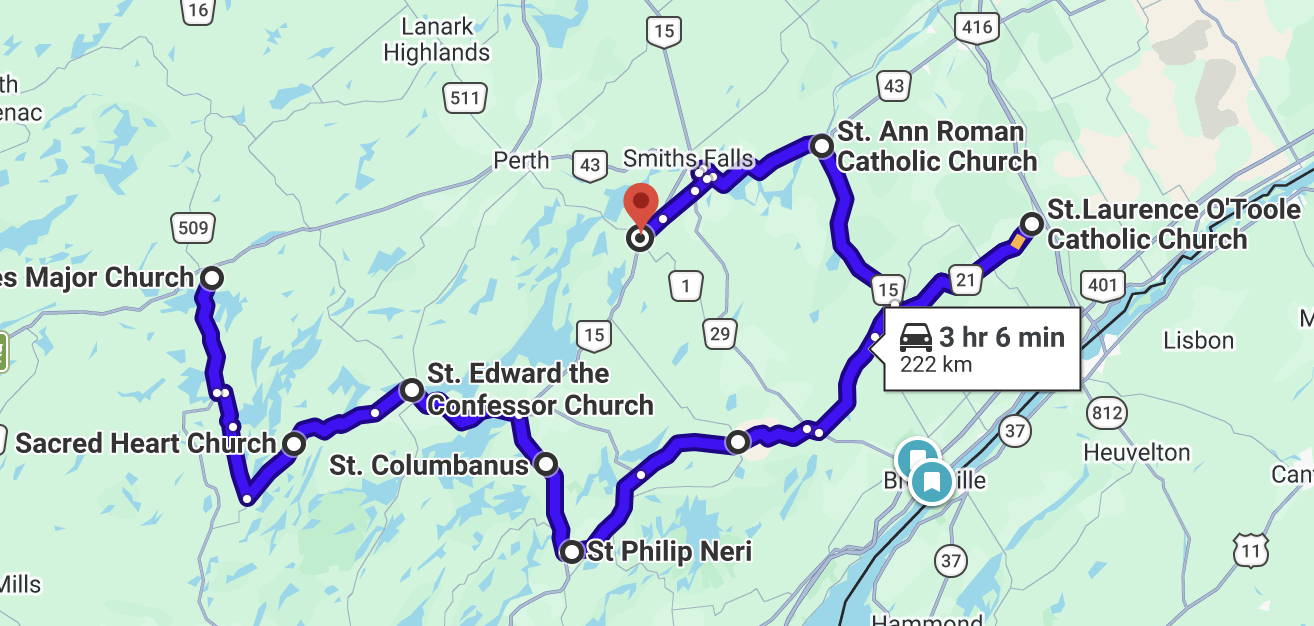

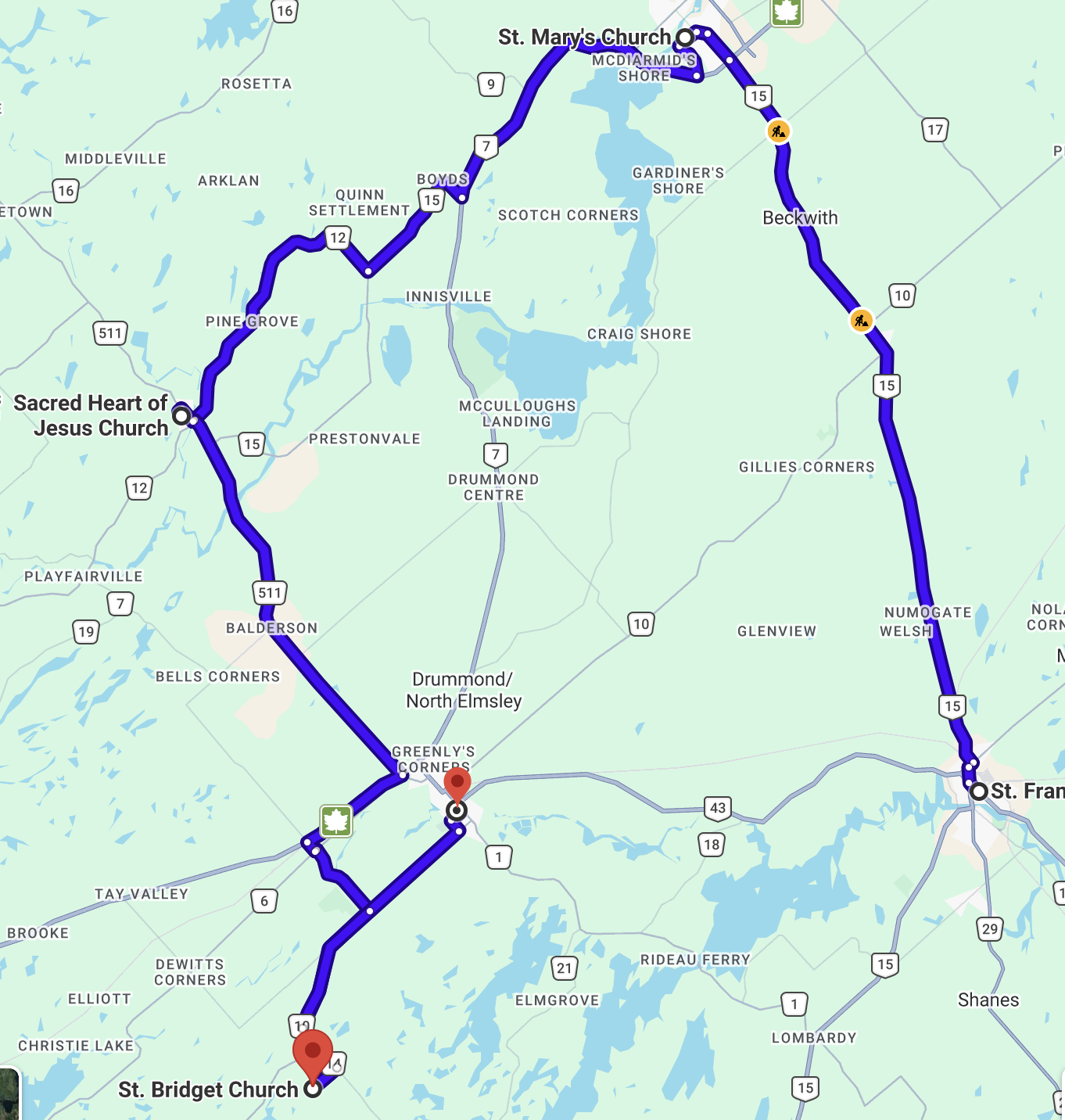
- Our upcoming Northern Deanery Bus Pilgrimage (14 churches and missions) will take place on Monday, Sept 21st. This will be the 3rd deanery of 4. Join us as we continue our goal of visiting every church and mission in the Archdiocese during this anniversary year.
Theme: Thanksgiving & Gratitude
Departure: 7am SHM Madoc
Price per person: $120 which includes dinner (bring your own lunch), swag bag, passport, snacks and prizes on the bus.
Payment: Cash in a marked envelope (stating name and pilgrimage) or e-transfer to Nicola Wand (nwand68@gmail.com)
For more info, to Register or make payment
Nicola Wand: (613) 920-4900
Diane Smith: (613) 403-6205
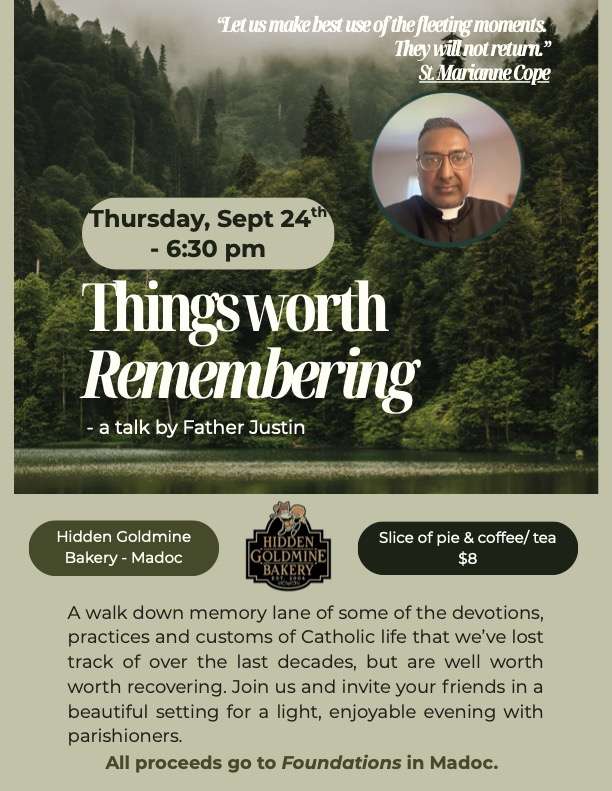
I'll use this evening as a preview or practice for the women's Fall Retreat I'll be giving at St. Francis de Sales Church in Smiths falls on the 26th. Join us for an evening of good food, company, and a light talk. Thanks to April B. for making the poster!
Autumn
Project Rachel Retreat
Nov 13-15
Project Rachel at the Refuge is offering a retreat in November for women who are suffering the effects of abortion. The retreat offers an opportunity for healing from the pain of abortion in a non-judgemental, hospitable environment, surrounded by the beauty of nature. They're available at any time to offer a confidential listening ear, prayers, support, and more. They've been offering Project Rachel retreats for more than fifteen years. At their retreats, they welcome women whose pain has been silenced and denied by the world.
See their website (stmarysrefuge.org/rachel), or phone or e-mail them in confidence @ 289.691.6840 or projectrachel@stmarysrefuge.org
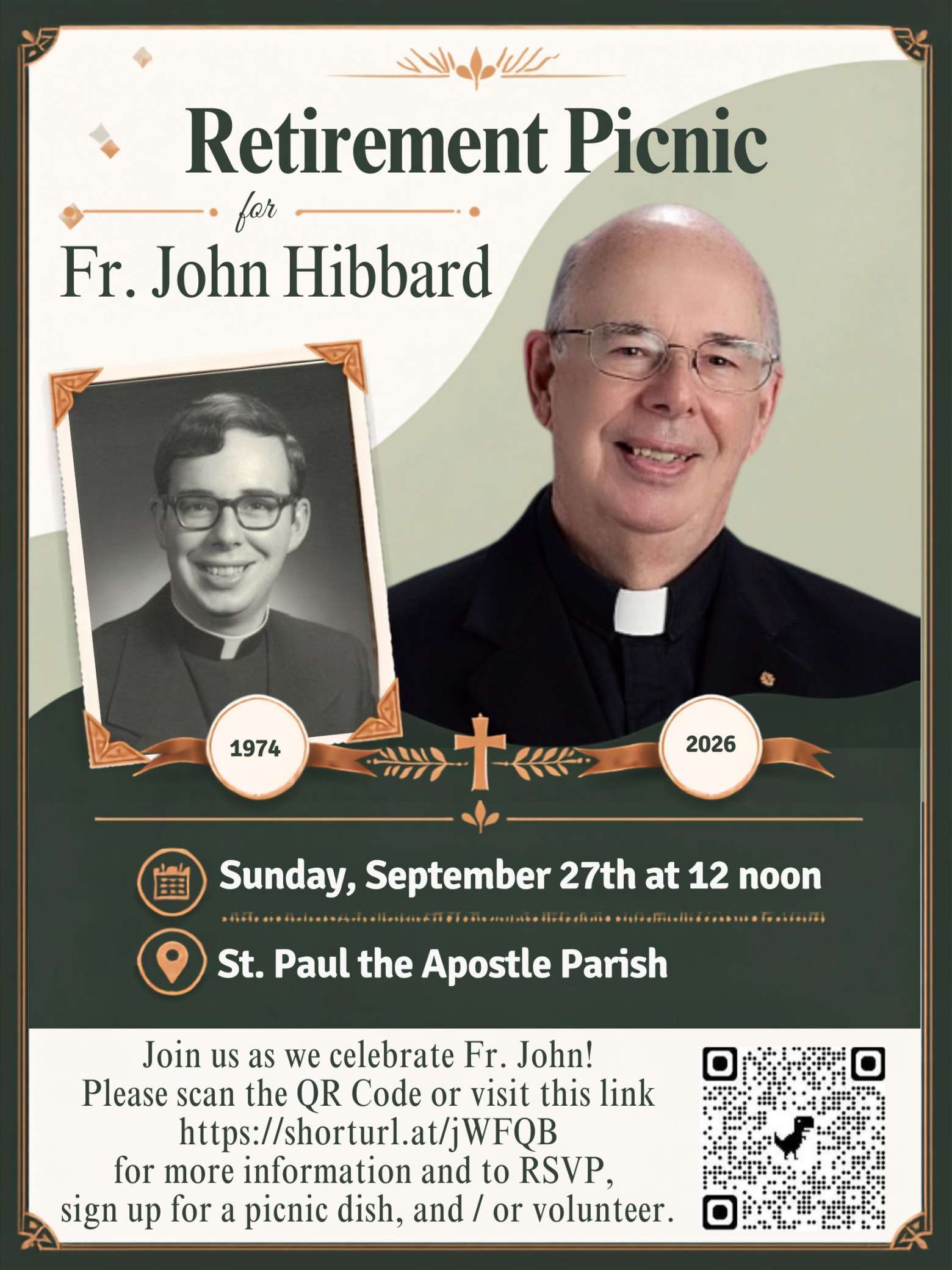
St. Paul the Apostle Parish is hosting a retirement celebration for Fr. John Hibbard on Sunday, September 27th immediately following the 11 am mass at the parish. (1111 Taylor Kidd Blvd, Kingston). It will be a potluck picnic. Anyone interested in attending are invited to RSVP and find more information at the following link: https://shorturl.at/jWFQB or on the parish website: www.stpaulkingston.com
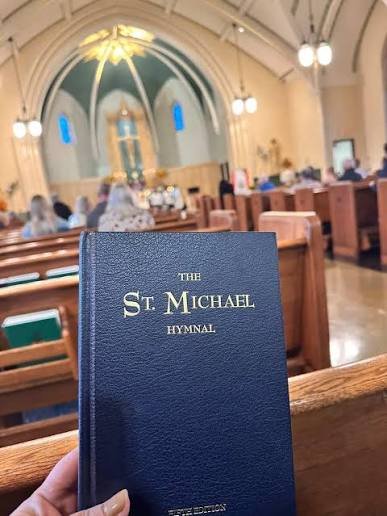
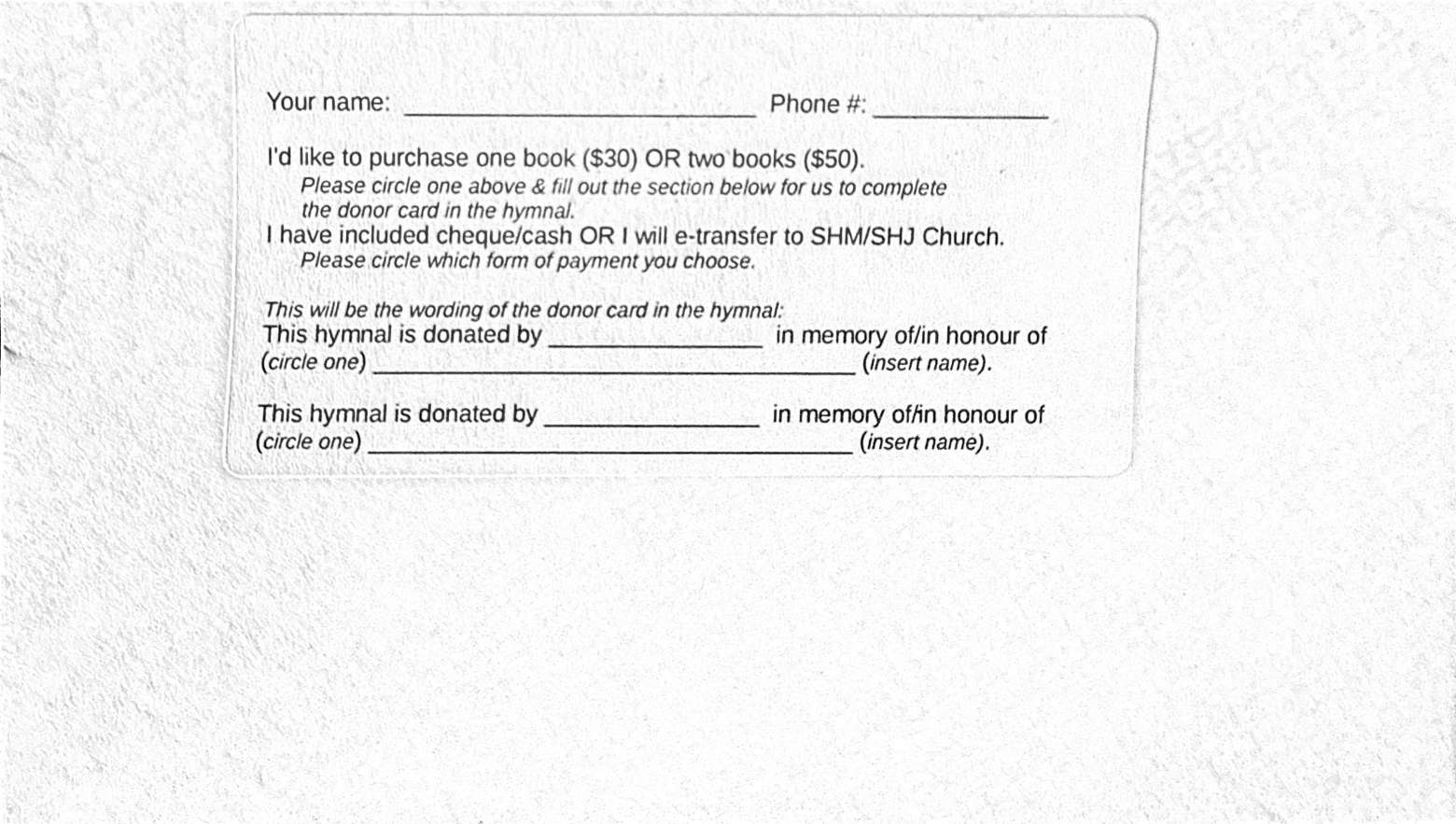
Two Sundays ago you were given sponsorship envelopes incase you wanted to dedicate our new hymnals - which will be formally introduced Thanksgiving weekend - in honour of, or in memory of, a loved one.
One hymnal: $30
Two hymnals: $50
Each sponsored hymnal will be marked on the inside cover with a notation of the sponsorship.
There are more envelopes in the narthex of our churches.
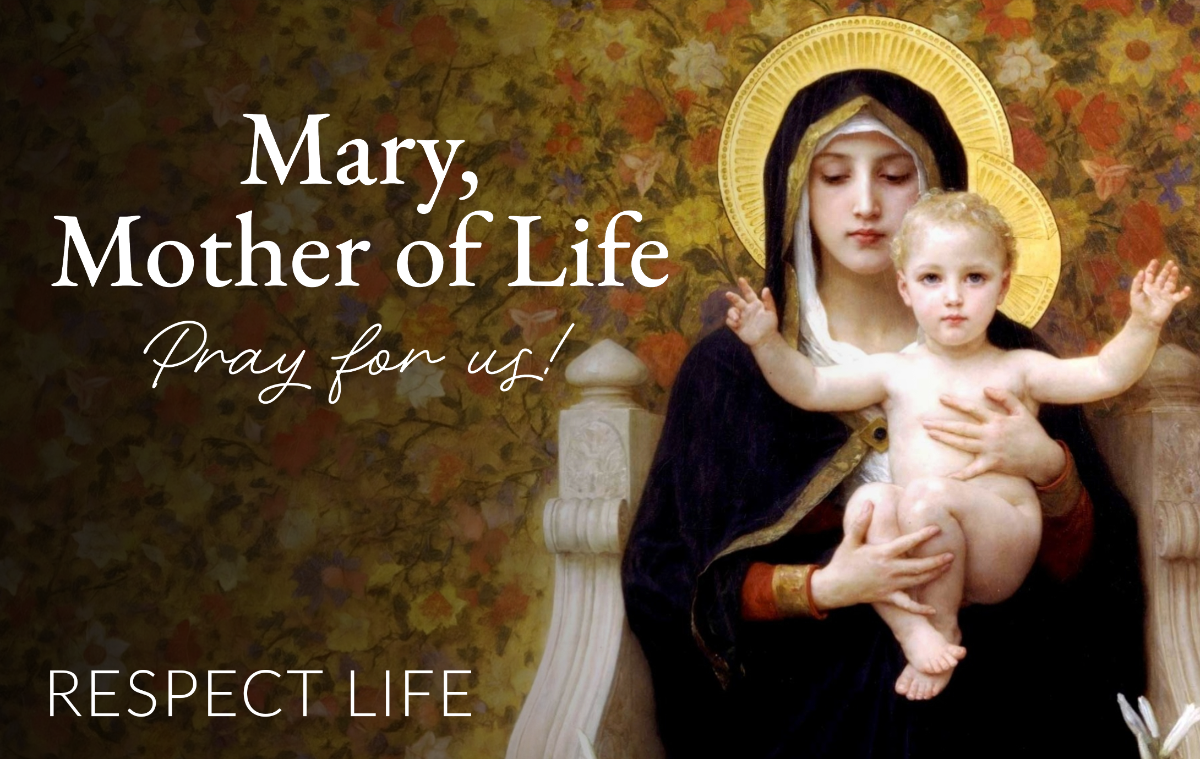
You are urged to stand with signs (provided) proclaiming a pro-life (anti-abortion) message with other pro-life citizens on the sidewalk. Stand with thousands of pro-life individuals across the country (almost 300 locations in Canada alone) in honour of millions of babies whose lives have been lost to abortion. Pray for people in crisis situations and for our nations. You'll be a light in a darkened world as you help to put an end to abortion through prayer. Families & youth are urged to be there rain or shine. STAND UP FOR LIFE!! Change can happen with prayer!
Friday, October 2nd
12-1pm, Norwood
Hwy 7 west of the Catholic school & Ultramar gas station
2-3pm, Havelock
Hwy 7 at Tim Horton's intersection
4-5:30pm, Marmora
Hwy #7 at the ballpark
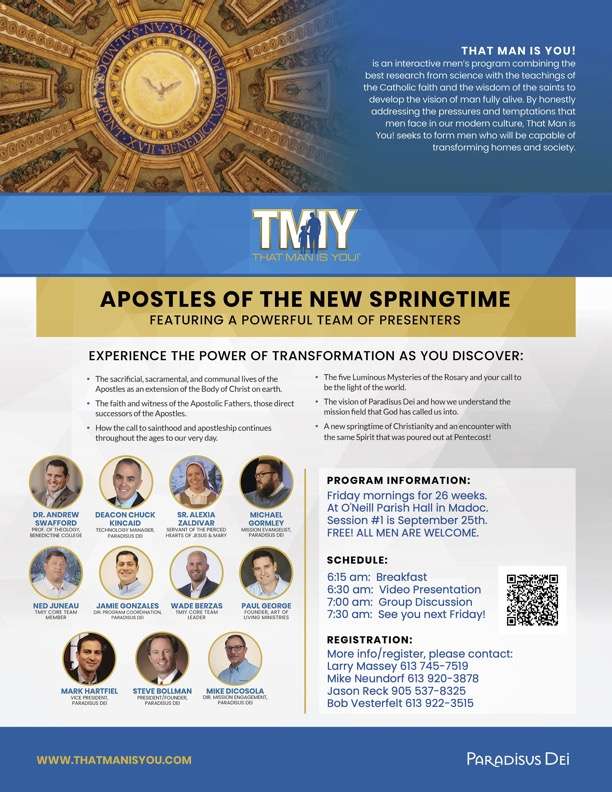
Calling All Men of the Parish!
A New Semester of That Man Is You
begins on September 25th
"Apostles of the New Springtime"
Every Friday Morning
26 Weeks
SHM Madoc
O'Neill Parish Hall
Starting Fri, Sept 25
6:15am - Breakfast
6:30am - Video Presentation
7am - Small Group Discussions
7:30am - End
Dear Men of the Parish,
I'm very happy to announce that This Man Is You is resuming at our parishes starting in September at O'Neill Parish Hall in Madoc.
As I've mentioned before, TMIY honestly addresses the pressures and temptations that men face in our modern culture, especially those relating to their roles as husbands and fathers. The program harmonizes current social and medical science with the teachings of the Church and the wisdom of the saints to develop the vision of man fully alive.
This year the title of our particular program is Apostles of the New Springtime. Journey from fear to fearless worship, from a lifeless corpse hanging on the cross to an empty tomb, from Apostles hiding in the upper room to proclaiming the risen Lord to the ends of the earth! Beginning with Christ to the Apostles, to the Apostolic Fathers, to the men of our day, God hasn’t stopped calling us! Let us become who we were made to be and set the world on fire. May we become Apostles of the New Springtime!
So on behalf of our leader, Mike Neundorf and the rest of the guys, I'd like to invite any man in our parish - young and old - to consider joining us in this great adventure to build a better life and try and have positive lasting impacts on our family, friends and those we meet every day.
Join us for food, fellowship and faith, (Friday mornings @ 6:15 am, beginning September 25 at O’Neill Parish Hall in Madoc).
All men are welcome!
For more information or to register, please contact
Bob Vesterfelt: 613.922.3515
Dale Clemens: 613472.0558
Mike Neundorf: 613.473.1409
Requesting Mass Intentions
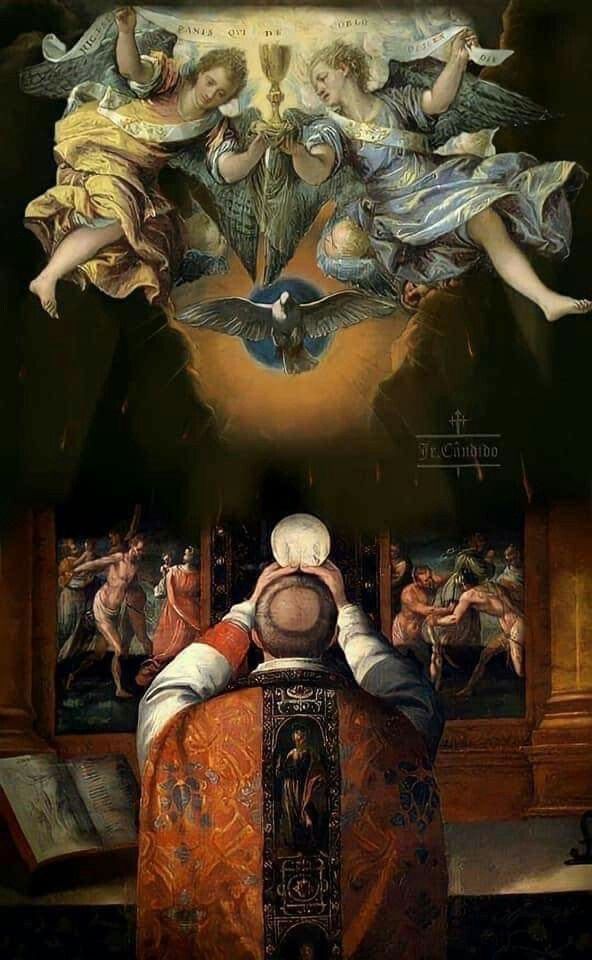
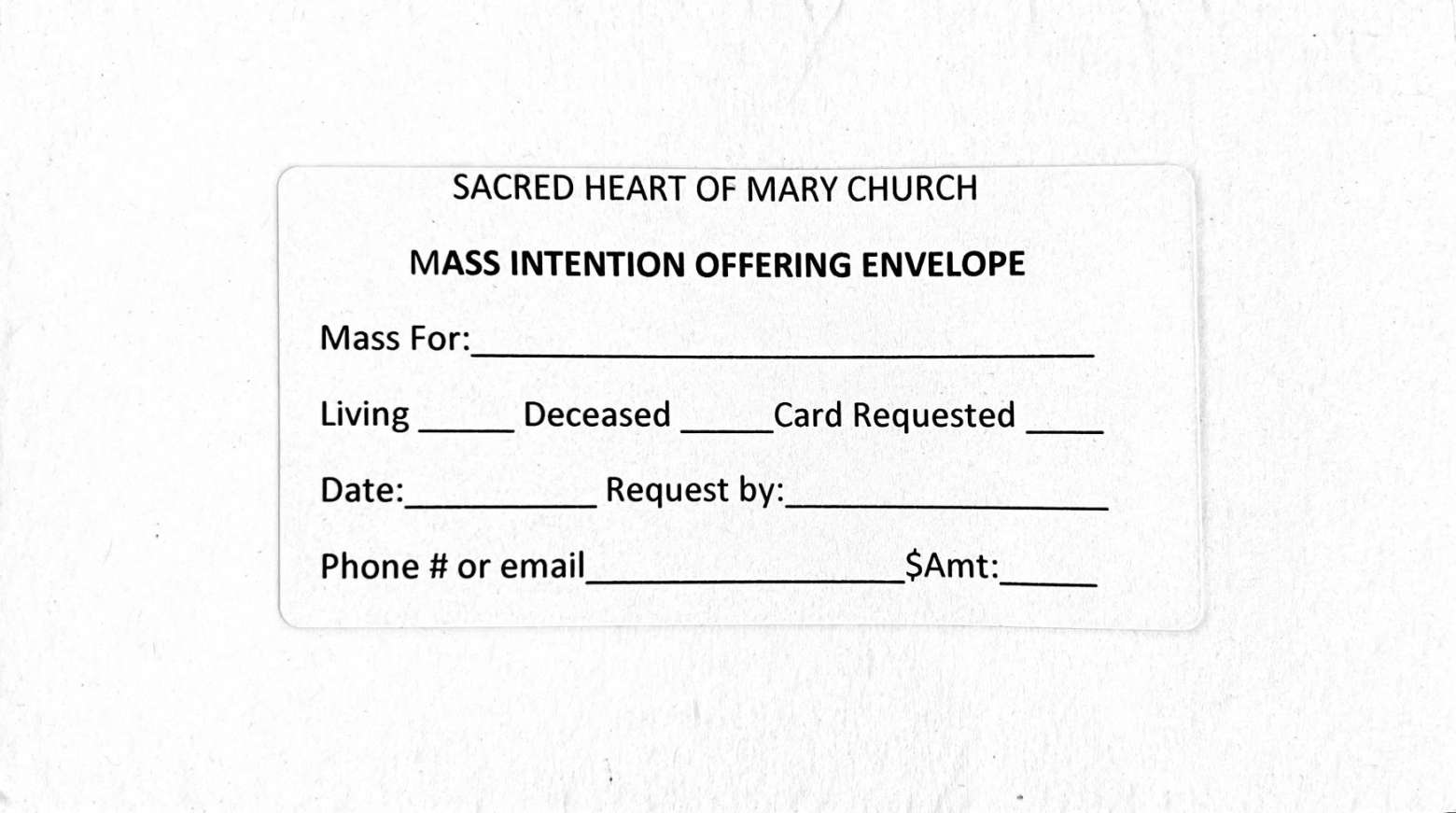
Mass Intentions: To arrange to have a Mass offered, just contact the parish office (613.472.2220 or SacredHeart.MM@archkingston.ca) or better yet, use the mass intention envelopes found in the vestibule, fill it out and put in the $20 offering and place it in the collection basket at Mass. We will do our best to have the Mass offered on the date requested.

Giving to the offertory is convenient and easy with e-transfers. Keep supporting your parish home when you are on vacation with this convenience! As you know, supporting the work of the Church with one’s financial resources is an essential and intrinsic part of Christian discipleship and stewardship. Two of the simplest ways of doing this are e-transfers of your offertory contributions or sending your weekly envelopes to us through the mail or dropped off in our secure mailboxes. In either case, thank you for your commitment to SHJ & SHM.
shjpayments@gmail.com (SHJ)
shmpayments@gmail.com (SHM)
Of course we gratefully accept donations by cash or cheque mailed or dropped off into our secure mailboxes, or in the plate during the offertory collection.
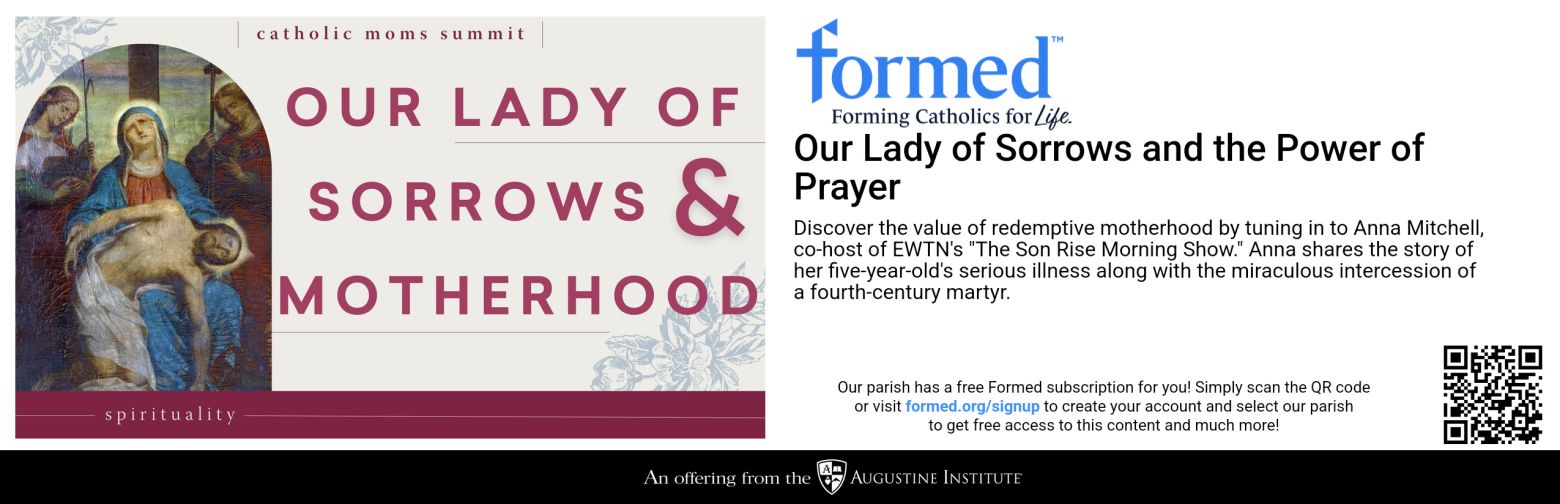
You may have heard of FORMED before. It is a Catholic streaming service that has lots of Catholic movies, documentaries, talks, resources to better understand the faith, children’s shows, lives of the saints, etc. There is no cost. All you need to do is create an account to log in to start watching lots of great content.
Go to https://signup.formed.org
Enter our parish’s postal code (K0K 2M0)
Enter your name and your email address
Confession Times This Week
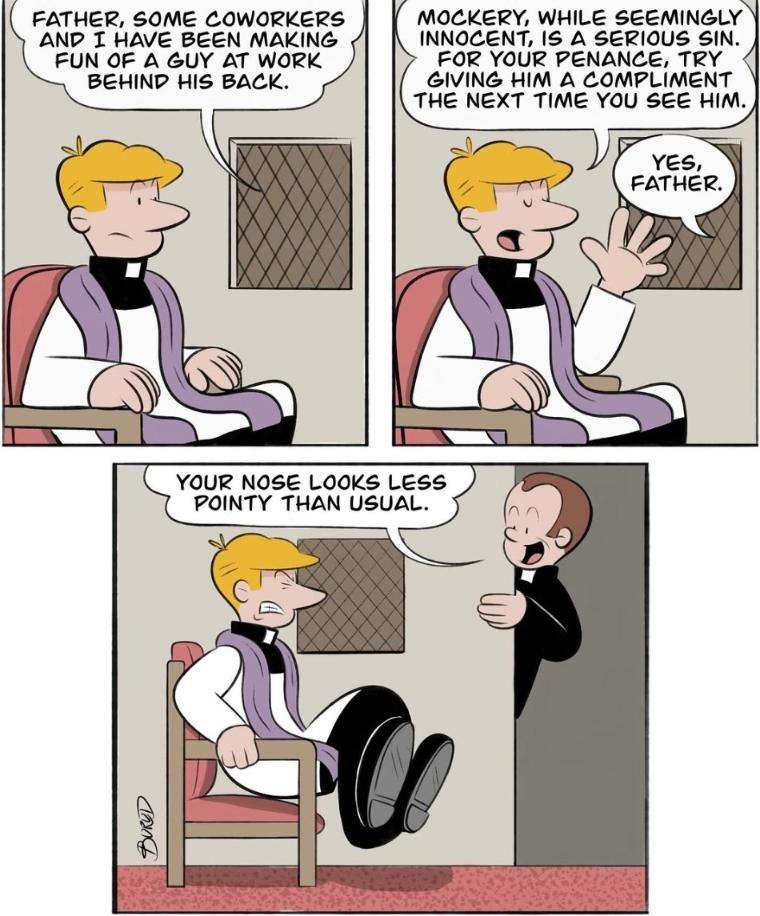
Sat: 4-4:45pm
Sun: 8-8:45am & 10-10:45am
Mon: 5:45-6:45pm
Tues: 8-8:45am
Wed: 8-8:45am & 10-10:15am
Thurs: 8-8:45am
Fri: 8-8:45am & 10-10:15am
Anointing of the Sick
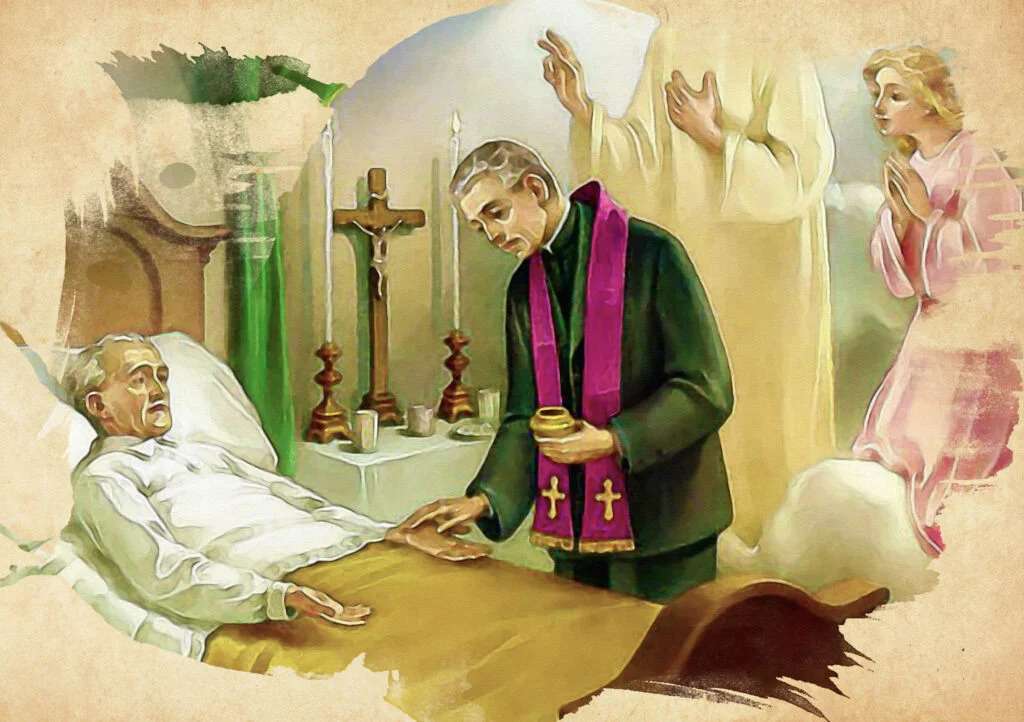
Pastoral Care of the Sick: Those Catholics confronted with serious illness, chronic illness, or surgery are invited to request the Sacrament of Anointing by calling Fr. Justin for an appointment. We also have a wonderful Pastoral Care team made up of generous parishioners who can bring Holy Communion to the sick and those confined to their own homes. Again, if you are someone or know of someone who would like to receive Sacraments at their home, please contact the office @ 613.472.2220 more information.
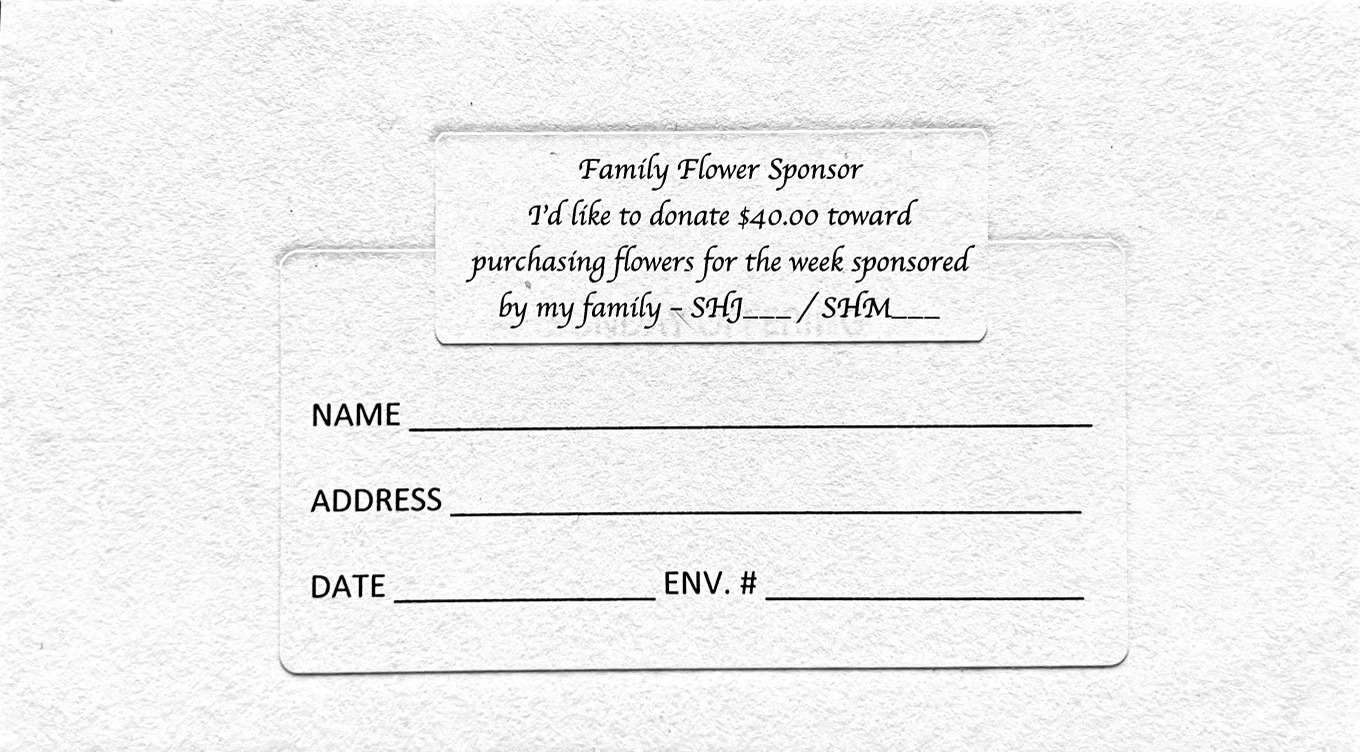
By using the white Flower Sponsor envelopes (located in the narthex), a one time donation of $40 will provide flowers for the sanctuary and shrines, and you'll also get a Mass intention included in that. So a great deal if you think about it! The churches are beautifully decorated in large part to your flower donations. And when you see in the Flocknotes Masses being offered "For the X Family Intentions" - usually those are from the Family flower sponsor. Thanks to Shirley Gauvreau, Brenda Poirier, Iris Doyle & Joanne Forestell for always doing such a splendid arrangement of the flowers! Thank you for your support!
"Some people are so foolish that they think they can go through life without the help of the Blessed Mother. Love the Madonna and Pray the Rosary, for her Rosary is the weapon against the evils of the world today. All graces given by God pass through the Blessed Mother."